+86 19963093538
Current location:HOME>SOLUTION>Aquatic Rapid Lab Detection Protocol>Aquatic Disease (Fish & Shrimp Viruses) Lab Detection Protocol

Aquatic Disease (Fish & Shrimp Viruses) Lab Detection Protocol

分割线

Source:Youyunpu Optoelectronic Tech    发布时间:2024-01-24 11:16:16

In the aquaculture industry, rapid detection and accurate diagnosis of diseases are crucial for maintaining aquatic health. Establishing a comprehensive laboratory detection protocol for aquatic diseases enables farms to promptly identify pathogens and take effective measures, thereby ensuring the sustainable development of the aquaculture industry.
优选6-min


1. Specimen Collection and Preservation

The primary task is to properly collect aquatic disease specimens, including tissues and body fluids of diseased animals. Meanwhile, the collected specimens must be properly preserved using professional refrigeration equipment or preservation solutions to maintain their integrity and activity.

2. Molecular Biology Detection

Molecular biology methods such as PCR technology can quickly identify pathogenic strains of aquatic diseases. Establishing appropriate primers and standard databases can improve the accuracy and speed of detection, while enabling simultaneous detection of multiple pathogens.

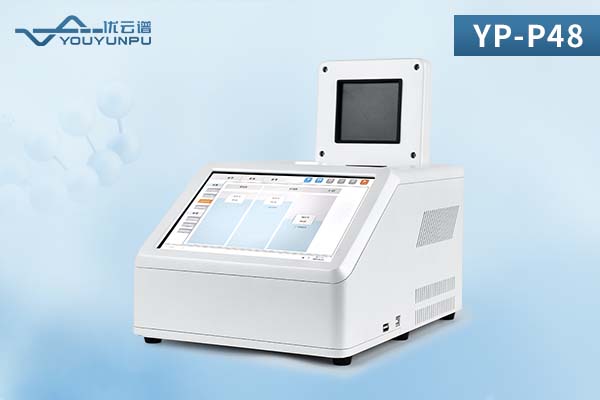
Youyunpu Aquatic Disease (Fish & Shrimp Viruses) Detector YP-P16

The Fish & Shrimp Virus Detector is a device designed for detecting viruses in fish and shrimp in aquaculture. In the aquaculture industry, viral infections can severely affect the health of fish and shrimp as well as farming operations, making timely and accurate virus detection essential.
Developed by our company, the Fish & Shrimp Virus Detector adopts Real-Time Quantitative Polymerase Chain Reaction (qPCR) technology, a commonly used molecular biology technique for detecting viruses in aquaculture. The PCR detector can amplify and detect specific viral nucleic acid sequences to determine whether a specific fish or shrimp virus is present.

Basic Structure of the Instrument

As a real-time detection instrument, the Fish & Shrimp Virus Detector mainly consists of a gene amplification thermal cycling system, a real-time fluorescence detection system, a microcircuit control system, and a computer with supporting software. It has two core functional modules: the thermal cycling system and the real-time fluorescence detection system. The working principle of the gene amplification thermal cycling system is basically the same as that of traditional gene amplifiers, using semiconductor heating and cooling to complete the thermal cycle process. The fluorescence detection system mainly comprises fluorescence excitation components, optical signal transmission components, fluorescence detection components, and a control system.

3. Pathogen Culture and Isolation

Culturing and isolating pathogens from collected specimens helps understand their biological characteristics and provides information on the type and quantity of pathogens, which serves as an important reference for subsequent disease prevention and control.

4. Immunological Detection

Immunological detection methods such as ELISA can detect antibody levels in aquatic animals to determine whether they have been infected with a specific pathogen. This detection helps identify diseased individuals in a timely manner for isolation and treatment.

5. Pathological Detection

Pathological detection of tissues from diseased animals allows observation of pathological changes in tissue structure, helps understand the progression of the disease, and provides intuitive references for formulating treatment plans.

6. Data Analysis and Reporting

Comprehensively analyze all detection data, establish a database, and generate detailed detection reports. This helps form a comprehensive understanding of the disease status of aquaculture farms and provides a scientific basis for guiding epidemic prevention work.

Conclusion

The establishment of a laboratory detection protocol for aquatic diseases requires interdisciplinary collaboration, integrating advanced detection technologies and methods to provide timely and accurate disease monitoring, prevention and control services for the aquaculture industry, and ensure its sustainable development.


Article Address:http://www.molbioinst.com/scpkjsjcfa/195.html

Related Products

Related Articles